Species priorities and potential measures
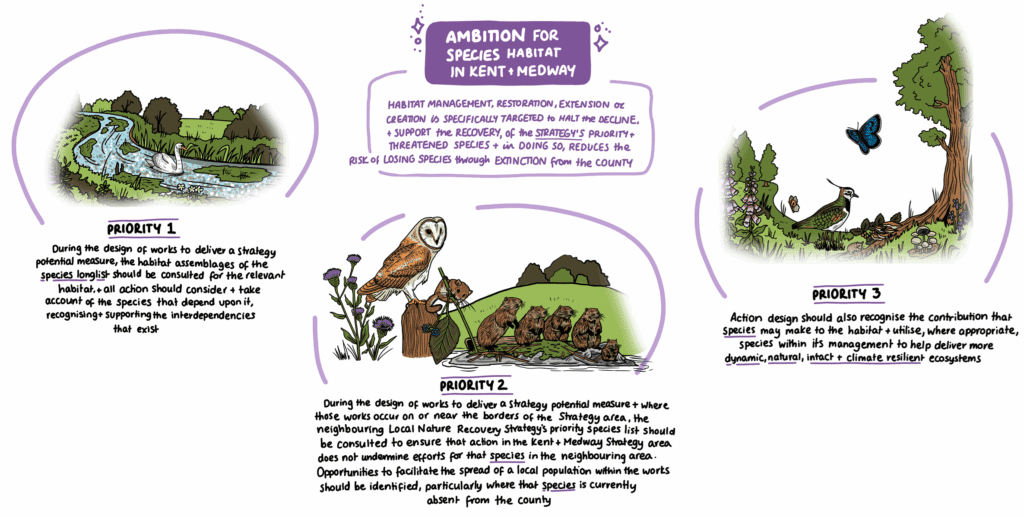
The Strategy aims to deliver habitat management, restoration, extension and creation that is specifically targeted to halt the decline, and support the recovery, of the Strategy’s priority and threatened species and in doing so, reduces the risk of losing species through extinction from the county.
Although the Strategy development process requires a focused list of priority species, identified as the species in most urgent need among other considerations, it is still important to take account of all the county’s rare, threatened and significant species in any habitat management, restoration, extension or creation work. The Strategy therefore identifies overarching approaches that ensure this wider suite of species, while not the focus of bespoke action, still benefits from action taken with the Strategy area.
1. During the design of works to deliver a Strategy potential measure, habitat assemblages of the species longlist should be consulted for the relevant habitat, and all action should consider and take account of the species that depend upon it, recognising and supporting the interdependencies that exist.
Where works are taking place in locations where a longlist species for Kent and Medway is known to occur, the habitats, structures, host species or other features supporting the species concerned should be maintained in extent and quality, and, where possible, should be locally extended, improved and connected.
Where works are taking place in locations where a longlist species for Kent and Medway was previously known to occur and/or might naturally establish populations, planning and delivery of land-use planning, nature conservation activities or other land management work should take the needs of the relevant species into account. This should include avoiding action which would decrease the ecological connectivity between potential sites and those sites already supporting the relevant Kent and Medway Local Nature Recovery Strategy longlist species.
2. During the design of works to deliver a Strategy potential measure, and where those works occur on or near the borders of the Strategy area, the neighbouring Local Nature Recovery Strategy’s priority species list should be consulted to ensure that action in the Kent and Medway Strategy area does not undermine efforts for that species in the neighbouring area. Opportunities to facilitate the spread of a local population within the works should be identified, particularly where that species is currently absent from the county.
3. Action design should also recognise the contribution that species may make to the habitat and utilise, where appropriate, species within its management to help deliver more dynamic, natural, intact and climate-resilient ecosystems.
Kent and Medway Local Nature Recovery Strategy Priority Species
The Kent and Medway Local Nature Recovery Strategy has identified 146 priority species – this is a large number of priority species but is a reflection of the large number of species in the original species longlist. These priority species represent 11% of the county’s rare, threatened and significant species – it is expected that targeted action for these 146 species will offer wider benefits to the other 1,210 species not identified as a priority.
The non-statutory guidance on priority species for a Local Nature Recovery Strategy recommends that only species that require bespoke measures are identified and that these bespoke measures are presented alongside the relevant species. However, acknowledging that many of the habitat measures designed for the benefit of a priority species offer wider benefits to other species of that habitat assemblage, it was determined that these should be embedded into the habitat potential measures.
Consequently, a number of the Kent and Medway priority species, while meeting the criteria as a priority, seemingly do not have dedicated potential measures. These are noted as priority species requiring broad habitat measures, and the relevant habitat priority is identified alongside them. Where a species requires a bespoke measure that will only benefit that particular species, this is noted as requiring bespoke measures – a link to the appendix with all bespoke measures for the priority species is provided.
Kent and Medway Local Nature Recovery Strategy Priority Species Heat Maps
Mapping of potential measures for the Strategy’s priority species has not been developed, due to the complex nature of the bespoke action required. To aid locating where action could be taken, priority species heat maps have been developed for a range of habitat assemblages. These maps identify the areas that are considered to offer the most benefits for priority species, using the density of priority species for that habitat assemblage as a proxy. These maps are indicative and are intended to provide additional and supporting information for delivery. They should be used in consultation with species experts, when delivering action for priority species. It is intended that these maps will be available via the online mapping tool in the future – for the time being they are provided as an addendum to the Strategy.
- Amphibian priority species
- Common Toad – bespoke measures required
- Great Crested Newt – bespoke measures required
- Annelid priority species
Tentacled Lagoon Worm – broad habitat measures for saline lagoon (CL6) and mudflats (CL2) in coastal habitats
- Bee, wasp and ant priority species
- Four-banded Weevil-wasp – bespoke measures required
- Fringe-horned Mason Bee – bespoke measures required
- Long-spined Ant – bespoke measures required
- Maidstone Mining Bee – bespoke measures required
- Moss Carder Bee – bespoke measures required
- Oak Mining Bee – bespoke measures required
- Sea Aster Bee – bespoke measures required
- Shrill Carder Bee- bespoke measures required
- Shining Guest Ant – bespoke measures required
- Beetle priority species
- Anthicus bimaculatus – bespoke measures required
- Black Night-runner – broad habitat measures for lowland fens (FW7) in freshwater habitats
- Dune Tiger Beetle – bespoke measures required
- East Coast Dune-walker – bespoke measures required
- Haliplus variegatus – broad habitat measures for lowland fens (FW7) in freshwater habitats
- Kentish Clown – bespoke measures required
- Longitarsus aeruginosus – bespoke measures required
- Noble Chafer – bespoke measures required
- Omphalapion beuthini – bespoke measures required
- Ophonus puncticollis – bespoke measures required
- Phoenix Clown – bespoke measures required
- Pride of Kent Rove Beetle – bespoke measures required
- Pseudeuparius sepicola – bespoke measures required
- Red-horned Cardinal Click Beetle – bespoke measures required
- Sandwich Click Beetle – bespoke measures required
- Smicronyx coecus – bespoke measures required
- Southern Oyster Mushroom Beetle – bespoke measures required
- Spangled Button Beetle- bespoke measures required
- Bird priority species
- Barn Owl – broad habitat measures for: lowland meadows (GL3) and arable field margins (GL5) in grassland habitats; wood pasture and parkland (WTH1) in woodland, trees and hedgerows; and nature friendly farming (LM1) in land management and land use
- Bearded Tit – broad habitat measures for reedbeds (FW8) in freshwater habitats
- Bittern – bespoke measures required
- Brent Goose – bespoke measures required
- Common Tern – bespoke measures required
- Corn Bunting – broad habitat measures for: coastal and floodplain grazing marsh (GL2) and arable field margins (GL5) in grassland habitats; and nature friendly farming (LM1) in land management and land use
- House Martin – bespoke measures required
- Grasshopper Warbler – broad habitat measures for: acid grassland and heathland (GL4) in grassland habitats; scrub (SH2) in successional habitats; hedgerow (WTH8) in woodland, trees and hedgerows; and lowland mire sites (FW7) in freshwater habitats
- Grey Wagtail – broad habitat measures for rivers (FW1) in freshwater habitats
- Kingfisher – broad habitat measures for rivers (FW1) and standing waters (FW6) in freshwater habitats
- Lapwing – bespoke measures required
- Lesser Spotted Woodpecker – broad habitat measures for: lowland mixed deciduous woodland (WTH1), ancient woodland (WTH5), wet woodland (WTH6) and traditional orchards (WTH9) in woodland, trees and hedgerows
- Linnet – broad habitat measures for: lowland heathland (GL4) and arable field margins (GL5) in grassland habitats; scrub (SH2) in successional habitats; hedgerow (WTH8) in woodland, trees and hedgerows; and nature friendly farming (LM1) in land management and land use
- Little Tern – bespoke measures required
- Marsh Harrier – broad habitat measures for: coastal and floodplain grazing marsh (GL2) and arable field margins (GL5) in grassland habitats; reedbeds (FW8) in freshwater habitats; and nature friendly farming (LM1) in land management and land use
- Marsh Tit – broad habitat measures for: lowland mixed deciduous woodland (WTH1) and ancient woodland (WTH5) in woodland, trees and hedgerows
- Nightingale – bespoke measures required
- Nightjar – bespoke measures required
- Oystercatcher – broad habitat measures for: coastal and floodplain grazing marsh (GL2) in grassland habitats; and open coast and estuaries (CL1) and vegetated shingle (CL7) in coastal habitats
- Pochard – broad habitat measures for: coastal and floodplain grazing marsh (GL2) in grassland habitats; saline lagoons (CL6) in coastal habitats; and lowland mire sites (FW7) and ponds and lakes (FW6) in freshwater habitats
- Redshank – bespoke measures required
- Ringed Plover – bespoke measures required
- Sand Martin – bespoke measures required
- Sandwich Tern – bespoke measures required
- Shoveler – broad habitat measures for: coastal and floodplain grazing marsh (GL2) in grassland habitats; lowland mire sites (FW7) and ponds and lakes (FW6) in freshwater habitats; and saltmarsh and mudflats (CL2) and saline lagoons (CL6) in coastal habitats
- Swift – bespoke measures required
- Tree Sparrow – bespoke measures required
- Turtle Dove – bespoke measures required
- Waders and wildfowl – broad habitat measures for: coastal and floodplain grazing marsh (GL2) in grassland habitats; and intertidal mudflats (CL2) and saline lagoon (CL6) in coastal habitats
- Wheatear – bespoke measures required
- Yellowhammer – broad habitat measures for: lowland heathland (GL4) and arable field margins (GL5) in grassland habitats; scrub (SH2) in successional habitats; hedgerow (WTH8) in woodland, trees and hedgerows; and nature friendly farming (LM1) in land management and land use
- Yellow Wagtail – broad habitat measures for: coastal and floodplain grazing marsh (GL2) and arable field margins (GL5) in grassland habitats; and nature friendly farming (LM1) in land management and land use
- Butterfly priority species
- Adonis Blue – bespoke measures required
- Brown Hairstreak – bespoke measures required
- Chalk Hill Blue – bespoke measures required
- Dark Green Fritillary – bespoke measures required
- Dingy Skipper – bespoke measures required
- Duke of Burgundy – bespoke measures required
- Grizzled Skipper – bespoke measures required
- Heath Fritillary – bespoke measures required
- Silver-spotted Skipper – bespoke measures required
- Small Blue – bespoke measures required
- Wall – bespoke measures required
- White Admiral – bespoke measures required
- White-letter Hairstreak – bespoke measures required
- Caddisfly priority species
Tinodes pallidulus – bespoke measures required
- Crustacean priority species
White-clawed Crayfish – bespoke measures required
- Dragonfly and damselfly priority species
Brilliant Emerald Dragonfly – bespoke measures required
- Fish priority species
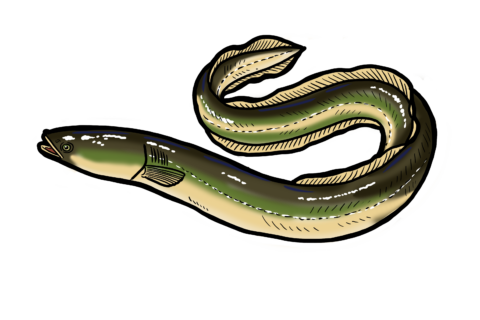
- European Eel – broad habitat measures for: coastal and floodplain grazing marsh (GL2) in grassland habitats; and rivers (FW1), standing water (FW6), lowland mire sites (FW7), freshwater wetlands (FW9) and ditch networks of marshes and lakes (FW10) in freshwater habitats
- River Lamprey – broad habitat measures for rivers (FW1) in freshwater habitats
- Sea Lamprey – broad habitat measures for rivers (FW1) in freshwater habitats
- Smelt – broad habitat measures for rivers (FW1) in freshwater habitats
- Short-snouted Seahorse – broad habitat measures for seagrass (CL3) in coastal habitats
- Spiny Seahorse – broad habitat measures for seagrass (CL3) in coastal habitats
- Fungi priority species
- Marram Oyster Fungus – bespoke measures required
- Orchard Tooth – bespoke measures required
- Pink Waxcap – bespoke measures required
- Purple Webcap – bespoke measures required
- Sweet Webcap – bespoke measures required
- Grasshoppers, crickets and allied priority species
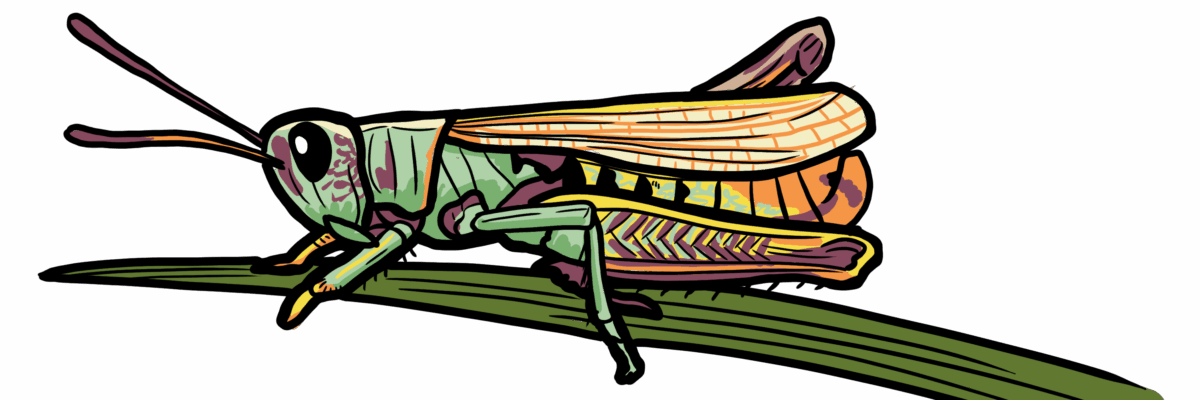
- Rufous Grasshopper – bespoke measures required
- Wart-biter Bush Cricket – bespoke measures required
- Lichen priority species
- Enterographa elaborata – bespoke measures required
- Cladonia mitis – bespoke measures required
- Mammal priority species
- Beaver – bespoke measures required
- Bechstein’s Bat – bespoke measures required
- Brown Hare – broad habitat measures for: chalk grassland (GL1), coastal and floodplain grazing marsh (GL2), lowland meadows (GL3) and arable field margins (GL5) in grassland habitats; open mosaic habitats on previously developed land (brownfield) (SH1) in successional habitats; traditional orchards (WTH9) in woodland, trees and hedgerows; vegetate shingle (CL7) in coastal habitats; and nature friendly farming (LM1) in land management and land use
- Brown Long-eared Bat – bespoke measures required
- European Water Vole – broad habitat measures for: coastal and floodplain grazing marsh (GL2) in grassland habitats; and rivers (FW1), lowland mire sites (FW7), ponds and lakes (FW6) and reedbeds (FW8) in freshwater habitats
- Hazel Dormouse – broad habitat measures for: open mosaic habitats on previously developed land (brownfield) (SH1) and scrub (SH2) in successional habitats; woodland (WTH1), ancient woodland (WTH5) and hedgerow (WTH8) in woodland, trees and hedgerows; and urban connectivity (URB1) in urban environments
- Leisler’s Bat – bespoke measures required
- Noctule Bat – bespoke measures required
- Serotine Bat – bespoke measures required
- West European Hedgehog – broad habitat measures for: lowland meadows (GL3) and arable field margins (GL5) in grassland habitats; open mosaic habitats on previously developed land (brownfield) (SH1) and scrub (SH2) in successional habitats; hedgerow (WTH8) in woodland, trees and hedgerows; urban connectivity (URB1) in urban environments; and nature friendly farming (LM1) in land management and land use
- Millipede priority species
- Boring Millipede – bespoke measures required
- Kentish Snake Millipede – bespoke measures required
- Mollusc priority species
Shining Ram’s-horn Snail – bespoke measures required
- Moth priority species
- Aspen Knot-horn – bespoke measures required
- Barred Tooth-striped – bespoke measures required
- Black-veined Moth – bespoke measures required
- Daisy Case-bearer – bespoke measures required
- Drab Looper – bespoke measures required
- Fisher’s Estuarine Moth – bespoke measures required
- Forester – bespoke measures required
- Lappet – bespoke measures required
- Liquorice Piercer – bespoke measures required
- Marsh Mallow Moth – bespoke measures required
- Milkwort Beauty – bespoke measures required
- Scabious Leaf-miner – bespoke measures required
- Scarce Goldenrod Plume – bespoke measures required
- Straw Belle – bespoke measures required
- Sussex Emerald – bespoke measures required
- White-spotted Sable – bespoke measures required
- Reptile priority species
- Adder – bespoke measures required
- Spider priority species
- Distinguished Jumping Spider – bespoke measures required
- Duffey’s Bell-head Spider – broad habitat measures for saltmarsh (CL2) in coastal habitats
- Sand Running Spider – bespoke measures required
- Yellow-striped Bear-spider – broad habitat measures for saltmarsh (CL2) in coastal habitats
- True bug priority species
- Greater Streaked Shieldbug – bespoke measures required
- Prostemma guttula – bespoke measures required
- Vascular plant priority species
- Bedstraw Broomrape – bespoke measures required
- Borrer’s Saltmarsh-grass – bespoke measures required
- Bur Medick – bespoke measures required
- Dwarf Milkwort – bespoke measures required
- Frogbit – bespoke measures required
- Greater Water-parsnip – bespoke measures required
- Green-Winged Orchid – bespoke measures required
- Ground-Pine – bespoke measures required
- Heath Dog-violet – bespoke measures required
- Juniper – bespoke measures required
- Lady Orchid – bespoke measures required
- Least Lettuce – bespoke measures required
- Lizard Orchid – bespoke measures required
- Musk Orchid – bespoke measures required
- Opposite-leaved Pondweed – broad habitat measures for rivers (FW1) and lowland mire sites (FW7) in freshwater habitats
- Ox-Tongue Broomrape – bespoke measures required
- Slender Hare’s-ear – bespoke measures required
- True Fox-sedge – broad habitat measures for rivers (FW1) and ponds and lakes (FW6) in freshwater habitats
Priority species documents of the Kent and Medway Local Nature Recovery Strategy
Appendix 3.1 – Kent and Medway Local Nature Recovery Strategy priority species bespoke measures

Appendix 3.2a Rare, threatened and significant species of the Kent and Medway Local Nature Recovery Strategy area
Download PDF (933 KB) - Appendix 3.2a KMLNRS Rare, Threatened And Significant Species
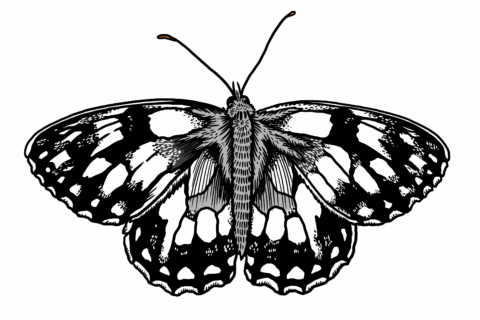
Appendix 3.2b – Priority habitats and associated rare, threatened and significant species of the Kent and Medway Local Nature Recovery Strategy area
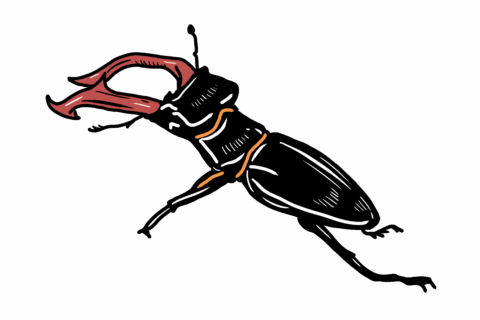
Appendix 3.3 Rare, threatened and significant species of the Kent and Medway Local Nature Recovery Strategy area requiring further evidence
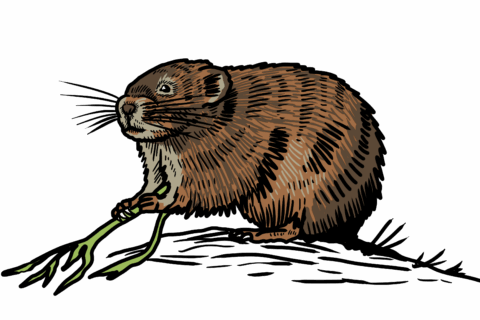
Kent And Medway LNRS Priority Species Heat Maps
Download PDF (3 MB) - Kent And Medway LNRS Priority Species Heat Maps